How Japan quietly leads global fashion
By Bohuslav Poláček · · 3 min read
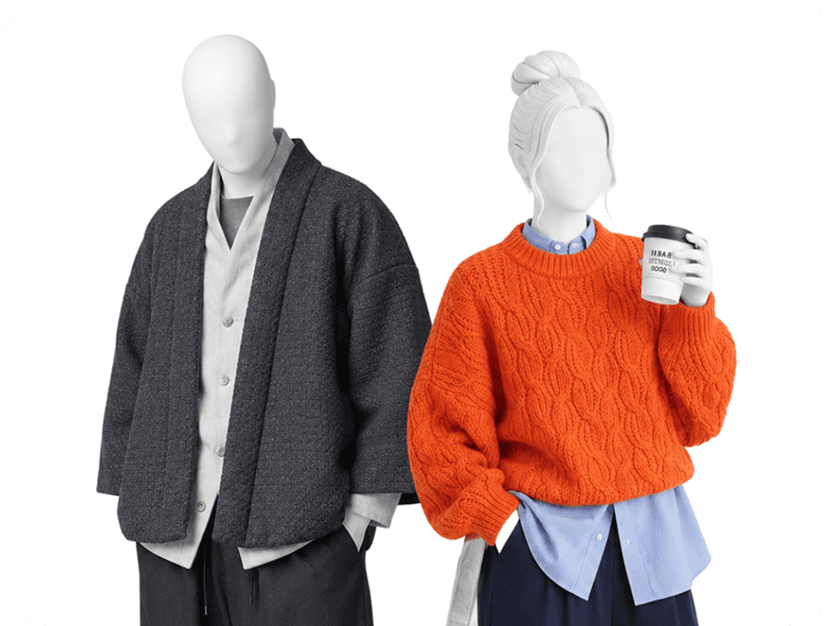
Ask anyone truly obsessed with clothes where the best ones come from and you will not hear Paris or Milan first. You will hear Tokyo. Not because of one hot brand, but because Japanese fashion runs on a different operating system: proportion, fabric, and restraint instead of logos, trends, and volume.
That system is worth studying even if you never buy a single Japanese piece.
Craft as the starting point
Japan treats clothing as a thing to be made well before it is a thing to be marketed. The country rescued American workwear traditions the US itself abandoned: Okayama denim mills weave selvedge on shuttle looms because the slow way produces better fabric. Kapital rebuilds vintage silhouettes stitch by stitch. Visvim reverse-engineers hundred-year-old construction because it lasted a hundred years.
The takeaway is not "buy expensive." It is that fabric and construction are the product. A logo is just a sticker on it.
Proportion as the design language
Western fashion mostly designs bodies: clothes that trace and reveal. Japanese designers, Yohji Yamamoto and Rei Kawakubo of Comme des Garçons above all, design the space between cloth and body. Volume is deliberate. A wide trouser balances a compact jacket. A long coat sets a vertical line and everything else obeys it.
This is why oversized Japanese tailoring looks intentional while a too-big Western suit just looks borrowed: the proportions are engineered, not accidental.
Restraint as confidence
There is a Japanese aesthetic term, shibui: beauty that is quiet on first glance and rewarding on the tenth. It shows up as muted palettes, matte textures, and detail you notice only up close. The confidence is in what is left out. Compare that with logo-driven dressing, which asks the brand to do the talking. Shibui asks the cut and cloth to do it, and they are more persuasive.
What to steal
- Buy fabric first. Read the label before the logo. Wool, cotton, linen, leather, and blends that serve a purpose. If the material is cheap, the design cannot save it.
- Pick one silhouette statement per outfit. Wide trousers or a voluminous coat, not both at maximum. Japanese proportion play works because the rest of the outfit holds still.
- Let texture carry the interest. A muted palette is not boring when it mixes ribbed knit, brushed flannel, and crisp cotton. Texture is pattern for adults.
- Care for what you own. The Japanese relationship with clothes extends past the purchase: repair, maintain, rewear. A five-year wardrobe beats a five-week one.
The connection to knowing yourself
Here is the quiet link to what we do: Japanese dressing works because it is considered. Every choice is made against a standard instead of a trend. Your palette and your proportions are exactly such a standard, personal and permanent. Once you know them, restraint stops being sacrifice and starts being precision.
FAQ
Where do I start with Japanese brands without spending a fortune?
Uniqlo U is the accessible entry: Christophe Lemaire designing proportion-first basics at high-street prices. From there, Auralee and Studio Nicholson (London, but same philosophy) before the deep end of Yohji and CDG.
Is Japanese style only for slim builds?
No, and that is rather the point. Volume-based dressing is more forgiving than body-tracing Western cuts. The skill is matching the volume to your frame, which is a proportion question, not a size question.
Isn't all-black Yohji-style dressing the opposite of color analysis?
It is one valid uniform, and on high-contrast cool coloring it sings. On warm or soft coloring, the same black reads harsh. Which is exactly why knowing your own palette beats copying anyone's, including Yohji's.