Color analysis isn't just for women
By Bohuslav Poláček · · 3 min read
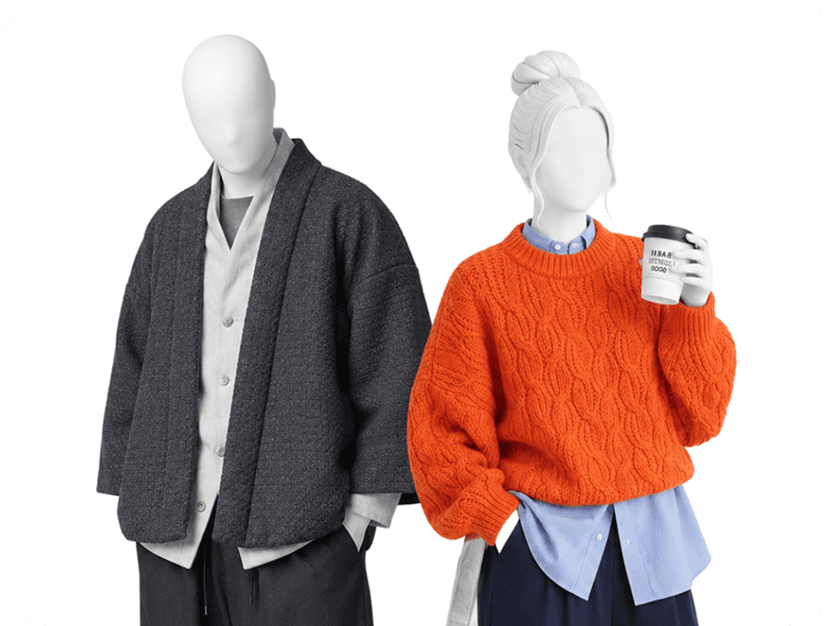
Color analysis has a branding problem. The drapes, the studios, the pastel Instagram posts: it all reads as a women's ritual. Which is a shame, because the math actually favors men.
Fewer variables, bigger payoff
A typical menswear outfit runs on four or five pieces and a narrow band of silhouettes. Shirt, trousers, knit, jacket, shoes. When the variables are few, each one carries more weight, and color is the variable most men never touch.
Here is the practical version: two men buy the same navy blazer. On one it looks sharp. On the other it looks like he borrowed it. Same cut, same size. The difference is that navy sits close to one man's natural contrast and fights the other's. Neither of them knows why, so one concludes he "can't wear blazers." He can. He just can't wear that navy.
Where it shows up in a men's wardrobe
Your white. Pure white shirt versus ivory is the fastest tell there is. Warm coloring next to optic white looks washed out. Cool coloring next to ivory looks dingy. Every man owns white shirts; almost no man owns the right one on purpose.
Your "black." Black is the default menswear anchor, and for a lot of warm, medium-depth coloring it is actively unflattering near the face. The fix is not exotic: espresso brown or a soft navy does the same job of grounding an outfit while letting your face keep its color.
Your denim wash. Light, mid, or dark wash is a value decision. Match it to your natural depth and jeans stop being random.
Your metal. Watch, belt buckle, wedding ring. Gold and brass on warm undertones, silver and steel on cool. One glance at your wrist veins settles a lifetime of watch-strap debates.
Your power color. Every season has one shade that makes people say "you look well" without knowing why. For a warm autumn man it is often rust. For a cool winter, a true saturated blue. Knowing yours means one sweater purchase per year does the work of five.
The efficiency argument
Most men do not want a bigger wardrobe. They want a smaller one that always works. That is precisely what a palette gives you: when every piece shares your undertone and depth, everything combines with everything. Getting dressed becomes assembly, not decision-making. Fewer purchases, fewer mistakes, no 7 a.m. staring contest with the closet.
And yes, the cut side matters too
Color is half the analysis. The other half reads your build: shoulder line, vertical proportion, where you carry mass, and translates it into cuts. Whether you need room in the thigh, whether an unstructured jacket suits your frame better than a padded one, where your trousers should sit. The same rules stylists use, minus the appointment.
FAQ
Is the system different for men?
The underlying analysis is identical: undertone, value, chroma, contrast, plus body geometry. What changes is the output vocabulary. You get verdicts on oxford shirts, chinos, and jacket construction, not wrap dresses.
Does a beard change my colors?
It can shift your contrast and add warmth or ash near your face, and it is part of what the photos capture. If you swing between full beard and clean shaven, analyze in your usual state.
I'm going gray. Does that change things?
Gray hair shifts your value and often softens contrast, which can nudge your best neutrals. Your undertone stays put. It is one of the better reasons to get an actual read instead of guessing from ten-year-old habits.
Honestly, will anyone notice?
Nobody will say "nice palette." They will say you look rested, or fitter, or ask if you got a haircut. That is the tell.